Travellers · 4 min
Fuerteventura by campervan: routes, wind and trip planning
Divide Fuerteventura into northern, inland and southern stages, and choose the campervan and daily plan around road conditions rather than a long list of beach stops.
By Vaneando Editorial Team · Published 2026-10-24
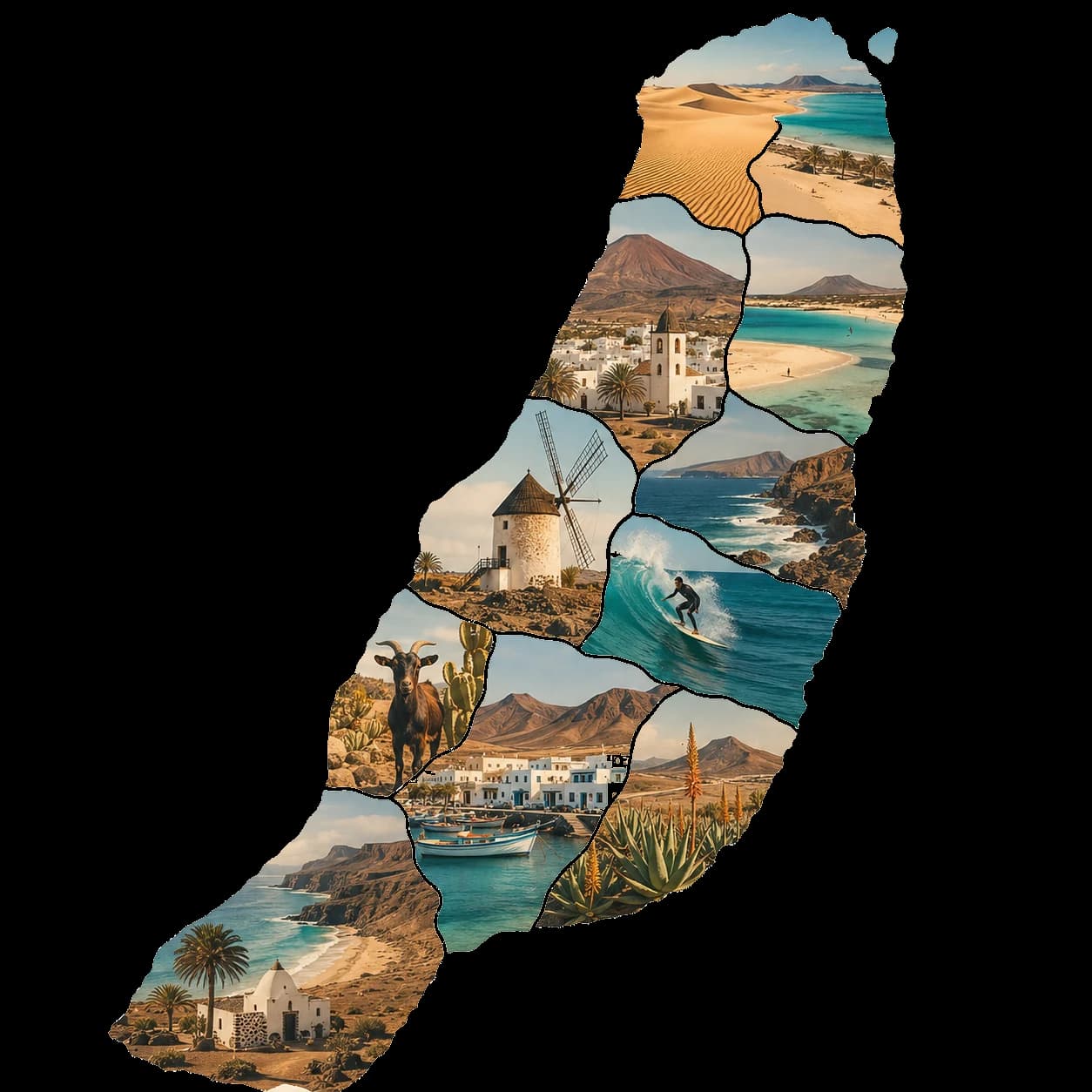
Choose three areas rather than crossing the island repeatedly
Use the north around Corralejo, La Oliva and El Cotillo, the interior around Betancuria, and the south around Jandía as separate parts of the trip. Pick a small number of main stops each day and plan from the vehicle’s actual collection point. A map distance does not account for parking, walking or a slower drive in a larger campervan.
Keep a flexible stage for weather or a change of access. Decide where to collect supplies, refill water and prepare for the night before leaving a service area. Do not assume that every beach stop has facilities, an open business or somewhere suitable for your vehicle.
Check wind before committing to an exposed stage
Check the AEMET forecast for the area of that day’s route, then review conditions again if the plan changes. A forecast for one municipality is a starting point, not a promise about the wind at every beach or viewpoint.
Discuss the vehicle’s handling and exterior equipment with the owner at handover. Secure loose items before moving and ask how awnings or roof equipment should be used. If conditions make driving uncomfortable, shorten the stage or wait in a suitable place rather than trying to complete an itinerary at any cost.
North: Corralejo and El Cotillo
Group the northern coast and villages into nearby outings. Check the marked access and suitable parking before visiting beaches and dunes on foot. The image of a camper beside the sea is not evidence that the vehicle may drive onto sand or stay overnight at that location.
For El Cotillo and the surrounding coast, leave time to check the actual beach conditions, access signs and the walk from the parking area. Keep a different stop in mind if the first car park is full or the approach is unsuitable for the campervan’s dimensions.
Interior and south: allow a separate day for each
Plan the Betancuria area as an inland stage rather than a quick detour between opposite ends of the island. The Cabildo’s public-use directory lists places such as the Castillo de Lara recreation area and viewpoints. Use the individual site information to understand facilities and access; a directory entry is not an overnight reservation.
Give Jandía its own time in the itinerary. Ask the owner about any proposed unpaved approach, including a trip toward Cofete, before relying on it. A four-wheel-drive badge alone does not tell you whether the rental terms, access rules and conditions allow that route.
Book the vehicle and overnight arrangements as separate decisions
Compare travel seats, berths, length, height, storage and equipment before looking only at the headline daily price. Select real dates and check the complete total, mileage, cleaning, delivery, deposit and cancellation conditions. Weekly or monthly discounts apply only when configured for the listing and reflected in the quote.
Confirm each overnight stop using current local information, and check where water can be collected and waste disposed of. If combining Fuerteventura with Lanzarote, obtain approval for ferry use before buying a ticket, including the vehicle dimensions, rental dates and return location.
Official sources
Frequently asked questions
What is a manageable campervan route around Fuerteventura?
Group the north, the Betancuria interior and Jandía into separate stages. Adjust the order to your collection point, rental length, vehicle dimensions and current conditions.
Can I drive a rented campervan to Cofete?
Do not assume it is allowed. Confirm the proposed road with the owner and check current access and rental restrictions before including it in the route.
Does a beach car park count as a campsite?
No overnight permission should be inferred from daytime parking. Check the signs, local requirements and the conditions of the specific site.
Where should I check the weather?
Use AEMET forecasts and warnings for the area of the planned stage, and adapt the day if conditions change.